Fuel sensor for trucks and tanks
Measure levels, loads, unloads and variations with fuel sensors designed to support operational control in trucks and stationary tanks. Measurement helps know how much enters, how much is left and how fuel is consumed.
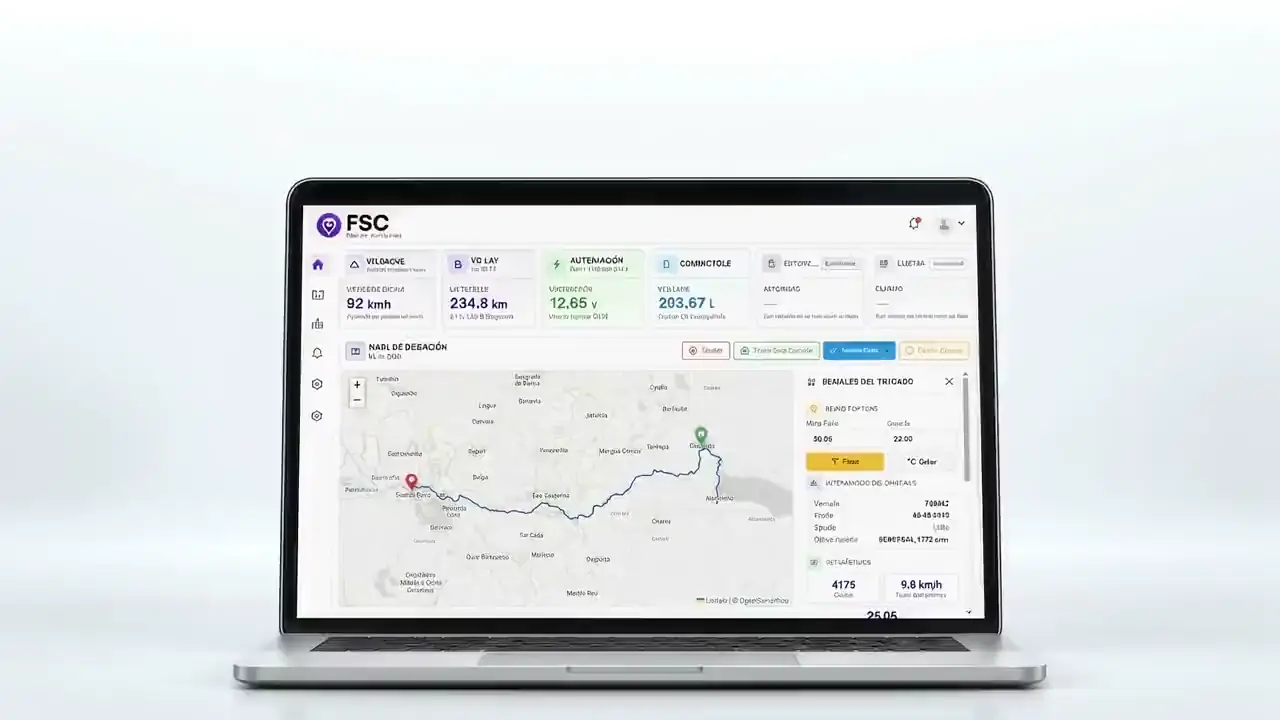
- Every liter. Under control. See the fuel level of each vehicle in the FSC platform. 292.97 L: Recorded volume. Sample readings. Not live data.
- Every refill is recorded. Check how much fuel enters the tank and compare it with your records. +173.2 L: Refueling detected. Sample readings. Not live data.
- Changes stay in sight. Identify withdrawals and review fuel level changes during operation. −21.3 L: Withdrawal detected. Sample readings. Not live data.
- Look beyond the level. Use the optional quality sensor to monitor changes in each vehicle’s fuel. Diesel quality: Monitoring changes in the fuel. Optional fuel quality sensor
What you do not always see
Buying diesel is not the same as knowing what happened inside the tank
Invoices, tickets and vouchers record how much fuel was bought. None of them tell you how much actually entered the tank, how much was left afterwards, or when the level changed during operation.
- Invoiced liters
- Refueling ticket
- Price paid
- Purchase date
- How much fuel actually entered?
- How much was left after refueling?
- Was there a drop outside the expected range?
- When exactly did the change happen?
Paperwork closes the purchase. Only measuring inside the tank explains the gap between what you paid for and what the vehicle actually consumed.
How it works
How FSC fuel sensors work for trucks
The sensor is installed inside the tank and continuously measures the real diesel level. The data is sent through a transmission box and shown in the FSC app and platform. The process is the same on every vehicle in the fleet, whatever the tank size.
1
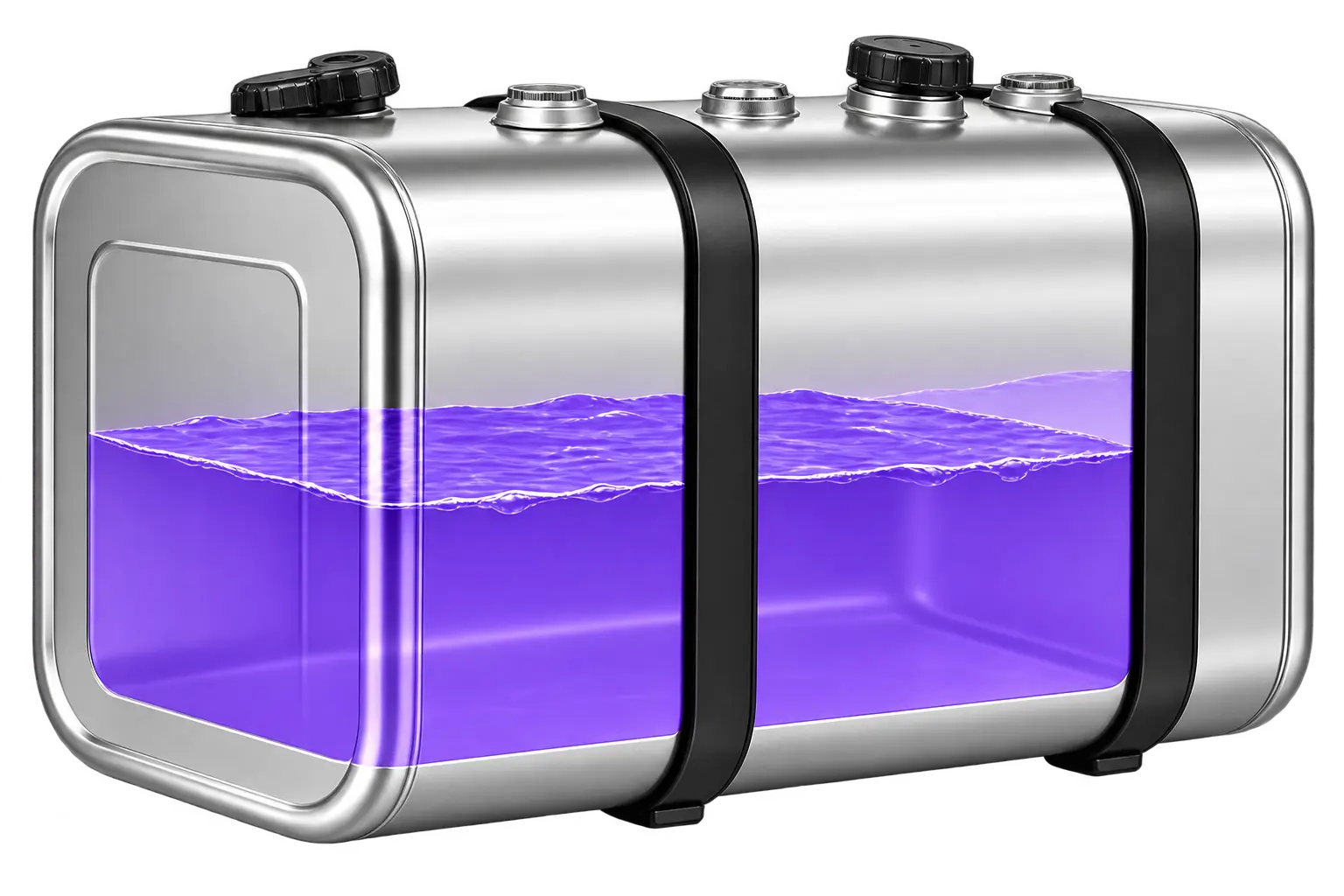
Tank
Fuel enters, exits and is consumed.
Measurement inside the tank
2
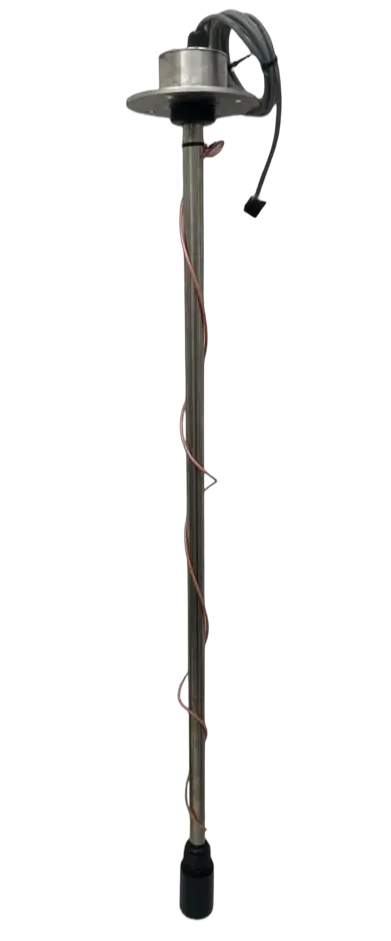
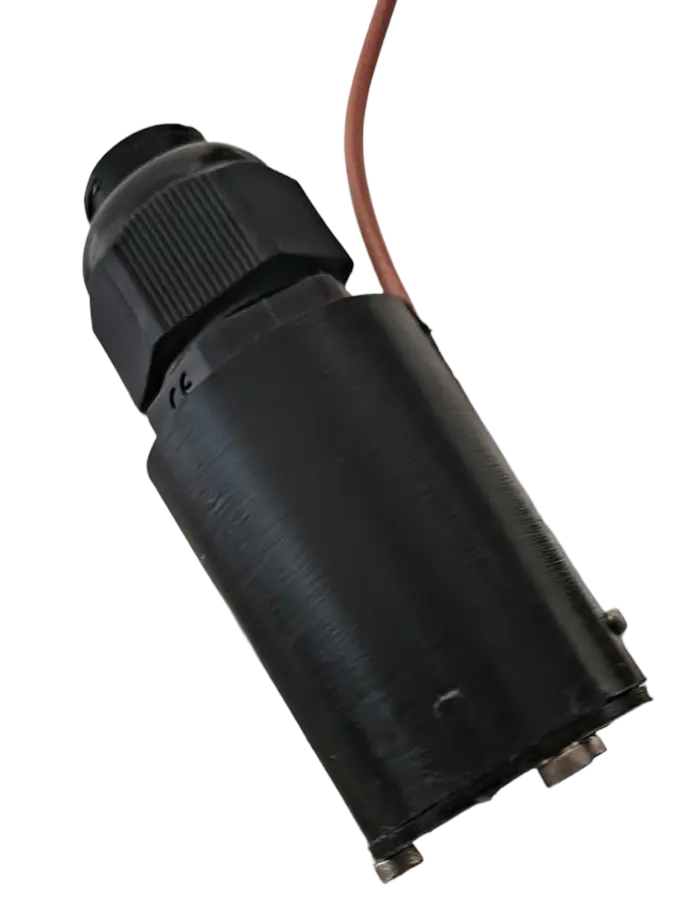
FSC Sensor
Physically measures variations inside the tank.
Sensor installed
3
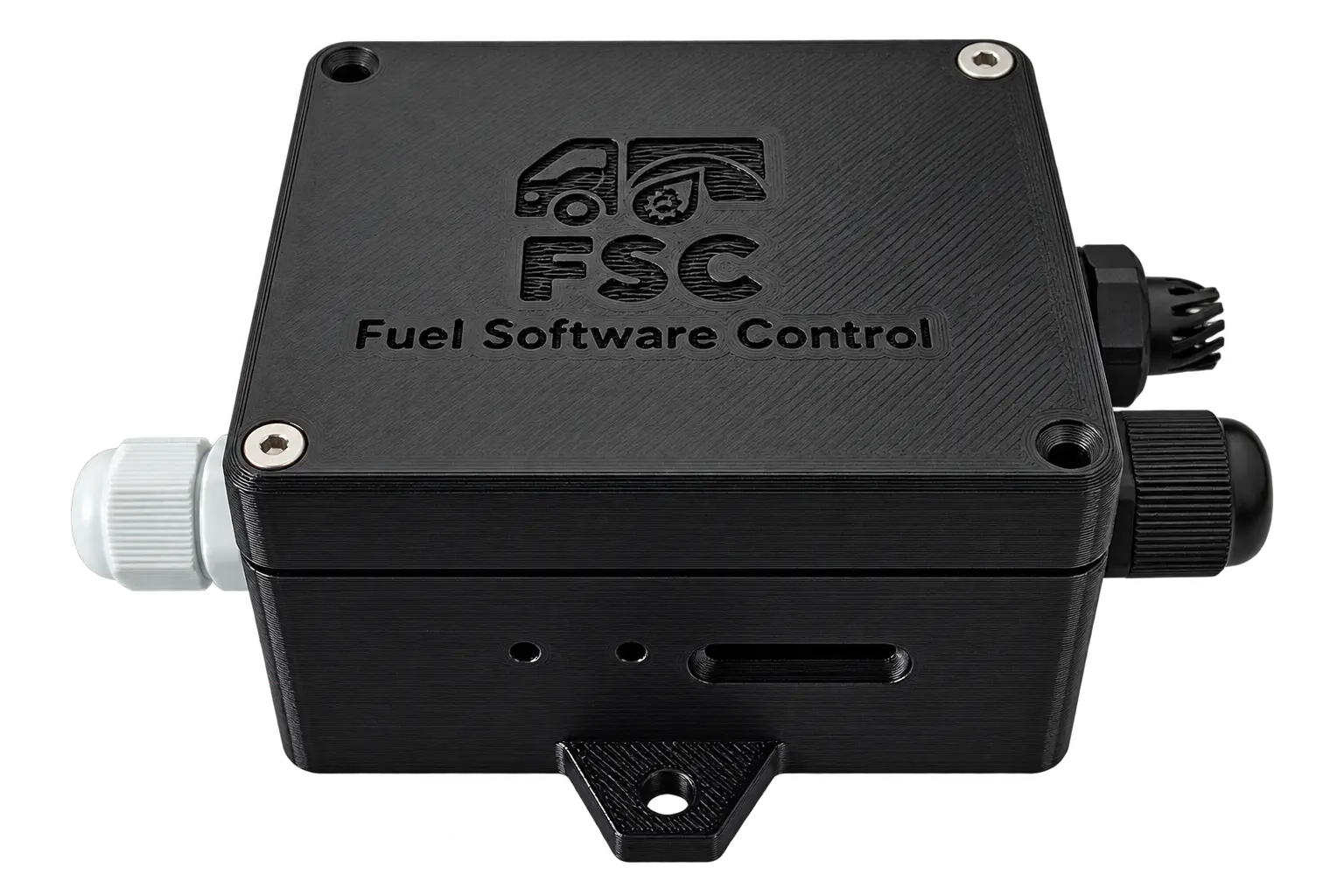
Transmission box
Receives sensor data and sends it to the app and FSC software.
Transmission box connection
4
Visualization
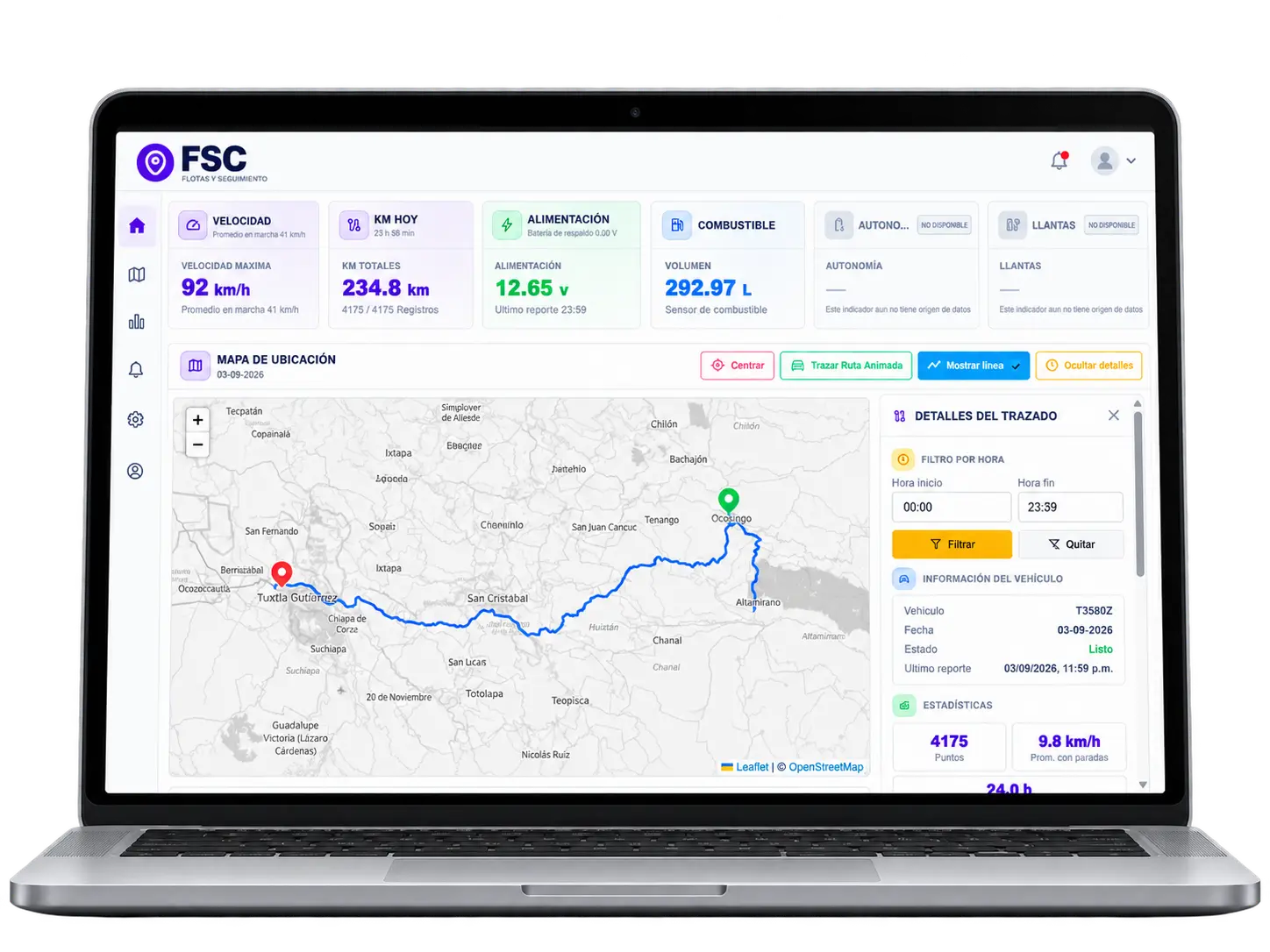
The administrator checks data in the app and on the FSC platform.
Data visible in app and platform
A direct measurement, with visible data to follow up on every vehicle.
Sensor data can be viewed in the FSC app and platform.
FSC Sensor
What does the fuel sensor detect?
Every reading from the fuel level sensors becomes useful information to follow up on each vehicle in the fleet, with volume, date and time for every movement recorded in the tank.
Fuel level and movements
Fuel level 292.97 L
292.97 L
Refueling +173.2 L
+173.2 L
Withdrawals −21.3 L
−21.3 L
Fuel conditions
Temperature Last 24 hours
28.4 °C
40° 20° 0°
00:00 12:00 23:59
Signal voltage 12.65 V
Status Normal
Last report
03/09/2026, 11:59 p.m.
Real case — Productos de Consumo Z
34.1 liters of diesel stopped disappearing
On a parked unit, FSC detected a nighttime fuel extraction and recorded evidence of the event for tracking.
Sequence of the detected event
This is how it happened and was recorded in FSC software .
1
Vehicle stopped
No GPS movement.
No movement
2
Extraction starts
FSC detects an unusual drop in fuel.
22:10 h
3
Extraction detected
−34.1 liters of fuel are recorded.
−34.1 L
4
1 h 27 min later
The vehicle is still stopped.
23:37 h
5
New refueling recorded
The fuel level returns to normal.
+34.1 L
The event was recorded with volume, date, time and tank behavior.
Impact on the operation
Measurable results after installing the FSC sensor.
Before
2.16 KPL
Average efficiency
With sensor
2.53 KPL
Average efficiency
+17%
better efficiency
Greater fuel visibility
0 liters
unexplained
since installation
Real case from a distribution operation
With per-vehicle tracking and evidence of fuel events.
Fuel quality sensor
Measuring liters is only part of the story
As a diesel quality sensor, FSC also detects changes in fuel stored in the tank, so you can act before they become a bigger problem.
Change detected
The sensor identified a variation in fuel quality.
Inspection
An inspection was carried out on the unit.
Water in fuel
Water presence was confirmed in the tank.
Fuel quality sensor models
Each model is designed for a specific tank type and operation. The FSC team defines the configuration based on your fleet units.
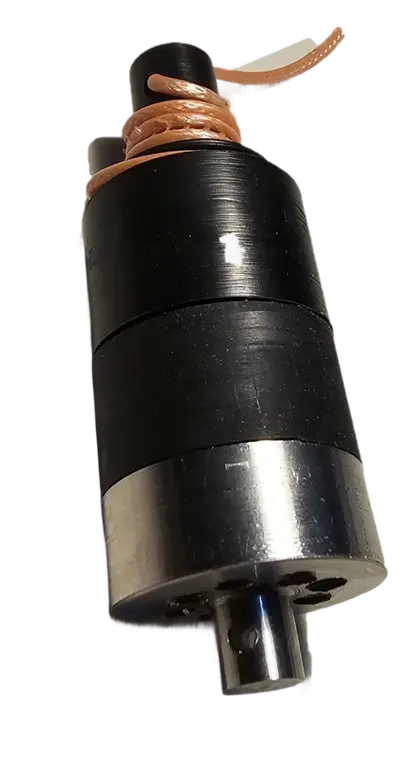
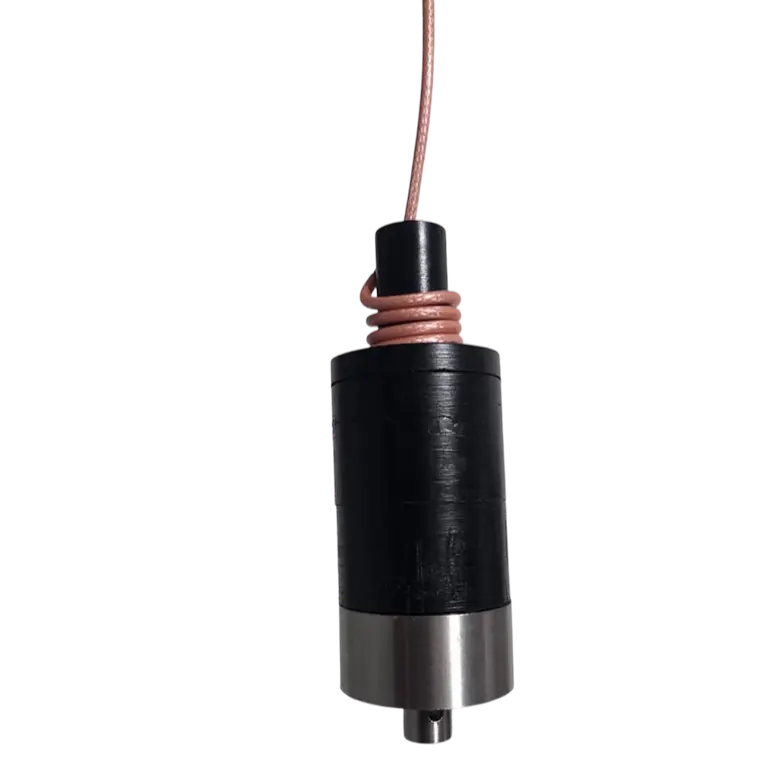
01 Model
Quality sensor for vehicle or stationary tanks
Designed for moving or fixed tanks, detects fuel quality variations in real time and reports any adulteration or contamination.
- Detects water, mixtures and biodiesel
- Compatible with vehicles and stationary tanks
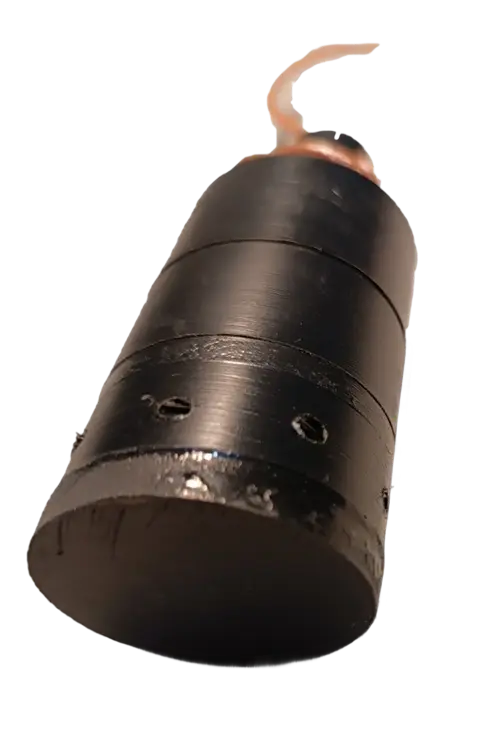
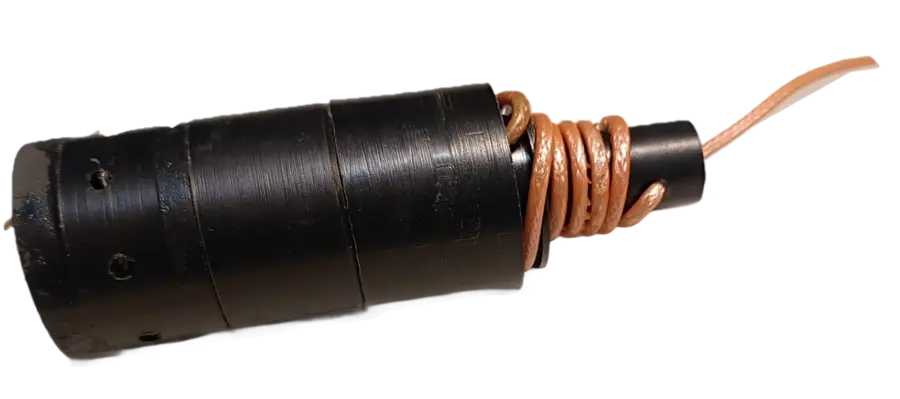
02 Model
Quality sensor for stationary containers
Optimized for static containers. Continuously monitors stored fuel integrity and alerts on any alteration.
- Continuous 24/7 monitoring
- Instant alerts on adulteration
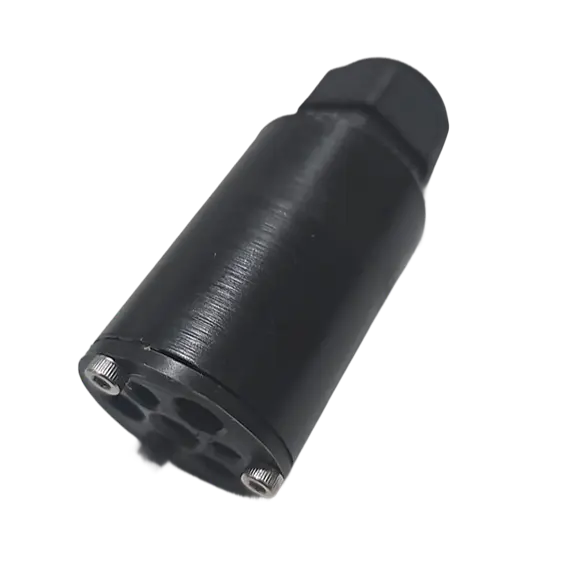
03 Model
Quality sensor for level rod
Direct integration with existing level rods. Measures quality and level simultaneously, reducing installation costs.
- Measures level and quality in a single probe
- Compatible with standard rods
More control, lower costs.
Detecting quality problems helps you prevent engine damage, reduce maintenance costs and keep your fleet running.
Fuel monitoring system
Need to analyze data from your entire fleet?
The sensor generates the data and the FSC fuel monitoring system analyzes it: level, loads, drains and events for each unit on a single platform.
Explore the FSC software FSC Sensor
Measures, detects and monitors.
FSC Software
Controls, analyzes and manages.
A complete solution for greater control.
Combining the fleet fuel sensor with the FSC software gives you fuel visibility across all your units, with data measured in the tank.
Sensor + GPS (optional)
GPS benefits: fuel and location in the same reading
The sensor works on its own with the transmission box. If GPS is also added —an optional add-on—, readings reach the platform continuously and every fuel movement is tied to the place and time it happened.
The difference is interpretation. A level drop with the unit on route is consumption; the same drop with the unit stopped away from a fueling point is an event that needs attention. Without location, both look the same.
Location of every event
With GPS, loads and drains are logged with the exact point where they happened.
Continuous transmission
With GPS, data reaches the platform while the unit operates.
Movement and consumption together
Tells route consumption apart from a drop with the unit stopped.
Applications
Where the FSC fuel sensor is installed
The sensor is calibrated to the geometry and capacity of each tank, so one fleet can measure different units and also the fuel stored on site.
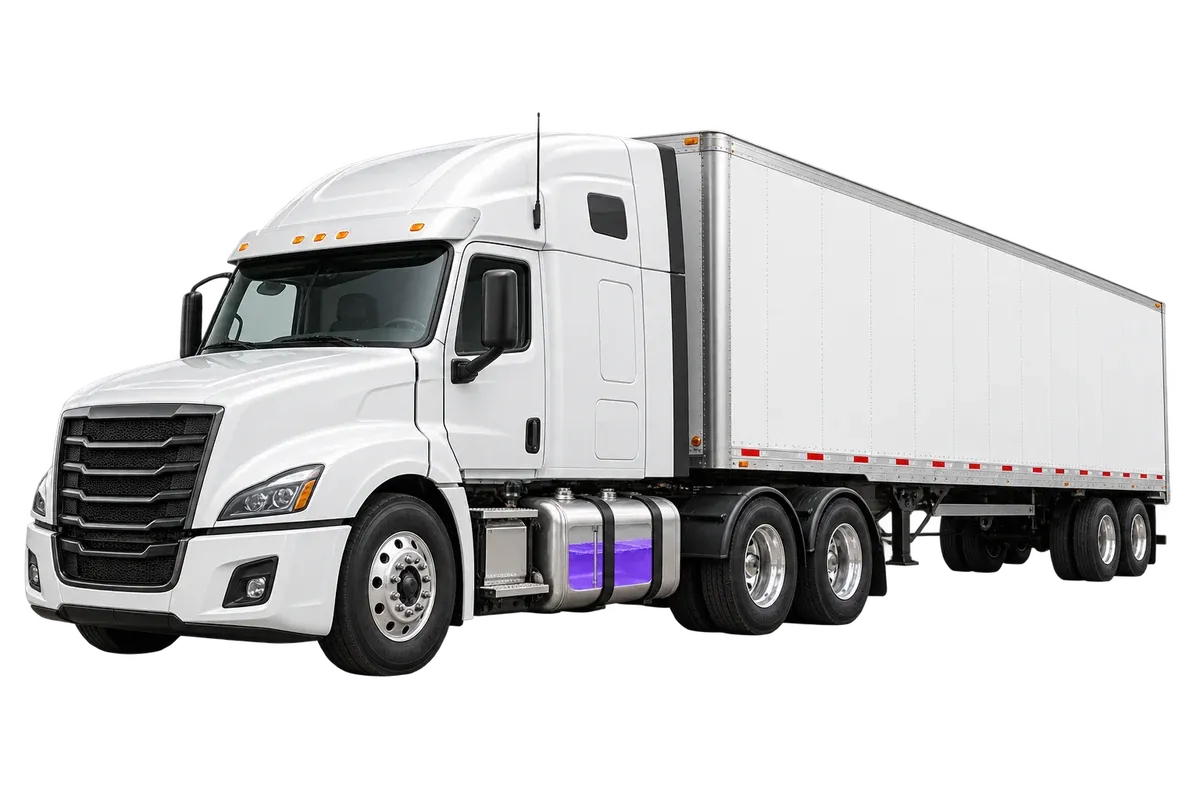
Cargo trucks
Tractor-trailers and trucks with tanks of different capacities.

Delivery fleets
Fuel sensor for mixed fleets, with unit-by-unit tracking.
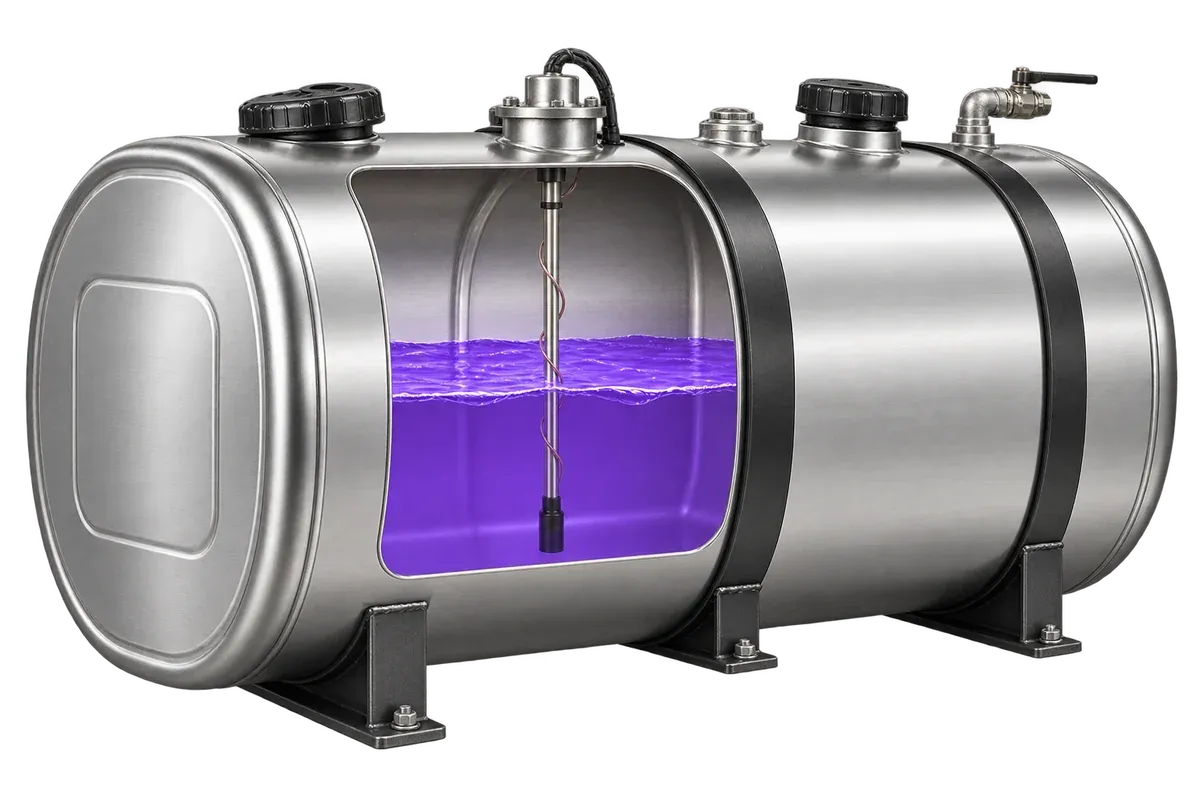
Stationary tanks
Measurement of fuel stored on site, with loads and drains logged.
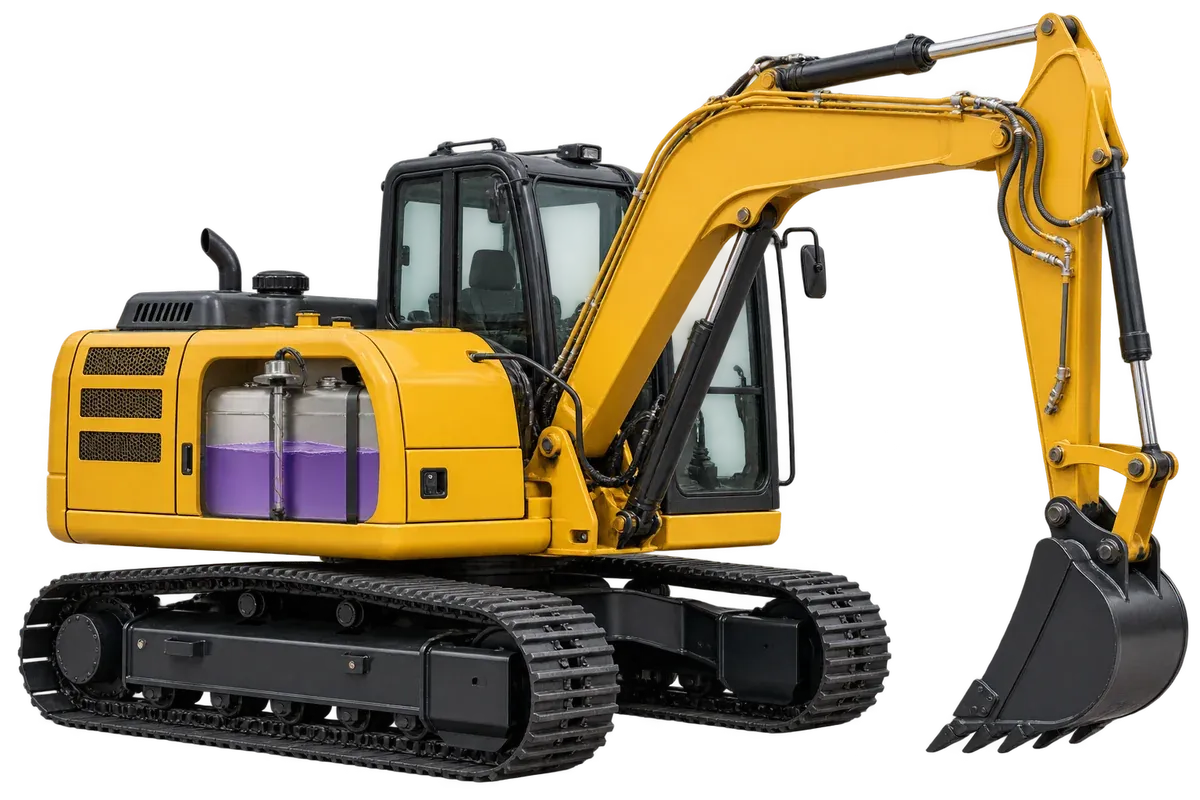
Equipment and machinery
Work units where consumption does not depend on the distance traveled.
Guide
What fuel sensors for trucks are and what they are for
A fuel sensor for trucks is a device installed inside the diesel tank that continuously measures the real volume it holds. Unlike the dashboard gauge, which only approximates the level for the operator, the sensor turns every reading into liters and logs it with date and time. The result is a history of the tank, not a momentary snapshot.
That difference is what makes it possible to audit fuel. When the only evidence is invoices, tickets and vouchers, you know how much was bought, but not how much actually entered the tank or what happened next. A sensor closes that gap: if 200 liters were loaded and only 173 show up in the tank, the difference is documented. If the level drops with the unit stopped, the event is logged with the exact amount and the moment it happened.
How fuel is measured inside the tank
Measuring fuel in tanks depends on calibration. Each tank has a different geometry and the same centimeter of height does not equal the same liters in every case: at the bottom of a cylindrical tank that centimeter represents less volume than in the middle. That is why the sensor is calibrated unit by unit, according to the shape and capacity of the tank, before it starts reporting.
Once calibrated, the sensor takes readings continuously. The transmission box receives that data and sends it to the platform, where it is organized as a level curve throughout the day. On that curve the movements are identified: a rise corresponds to a load, a gradual drop to the normal consumption of the operation, and a sharp drop with the engine off to an extraction.
What can the sensor detect beyond the level?
Level is the base data, but not the only one. Diesel temperature explains volume variations that do not correspond to real consumption, because fuel expands with heat. Variations in the sensor signal indicate changes in the medium it is measuring, and that is the principle by which a diesel quality sensor warns of water in the tank, one of the most common causes of damage to the injection system.
Detecting that kind of problem in time changes the cost of addressing it. Purging a tank with water is minor maintenance; repairing an injection pump damaged by contaminated fuel takes the unit out of service for several days.
What else is needed besides the fuel sensor?
A sensor on its own produces readings; what makes those readings useful is where they are interpreted. In a fleet of twenty or two hundred units, no one reviews level curves one by one. The FSC platform groups readings by unit, identifies the relevant events and keeps the history, so the manager comes in to see what needs attention instead of hunting for it.
Installation is also part of the result. A poorly calibrated sensor reports differences that do not exist and creates distrust in the whole system. That is why the deployment includes selecting the right sensor for each tank, calibrating it and training the staff who will read the information.
Frequently asked questions about the fuel sensor for trucks .
Answers about installation, fuel measurement in tanks, load and drain detection, diesel quality and compatibility with trucks and stationary tanks. talk directly to an advisor.
How does a fuel sensor for trucks work?
A fuel sensor for trucks is installed inside the tank and continuously measures the real diesel level. It turns every reading into liters, sends it through the transmission box and logs it on the FSC platform, where the manager sees the level, loads and drains of each unit.
What can the FSC fuel sensor detect?
It detects the level in the tank, loads, drains, drops outside the expected range and the diesel temperature. Depending on the installed configuration, it also monitors changes related to fuel quality, such as signal variations or the presence of water.
How does fuel measurement in tanks work?
Fuel measurement in tanks is done with a level sensor installed inside the tank and calibrated to its geometry and capacity. The sensor takes continuous readings, turns them into liters and logs them with date and time, so the measured volume does not depend on tickets or the dashboard needle.
Can it detect fuel loads and drains?
Yes. Every load and every drain is logged with volume, date and time. When the sensor detects a fuel drain with the unit stopped, the event is documented with the liters and the tank behavior, which allows it to be followed up.
Is there a fuel or diesel quality sensor?
Yes. Besides level, the FSC sensor can work as a diesel quality sensor: it monitors variations in the signal and temperature that indicate changes in the fuel, including the presence of water in the tank, so you can check the unit before the engine is damaged.
Does the sensor work on trucks with different tank capacities?
Yes. The fuel level sensor for trucks is selected and calibrated to the geometry and capacity of each unit’s tank, so one fleet can have tractor-trailers, trucks and delivery vans in the same system.
Can it be used in stationary tanks?
Yes. The fuel sensor for stationary tanks logs the level, loads and drains of the fuel stored on site, with the same history by date and time as the units in operation.
Do I need a fuel monitoring system to see the data?
The sensor delivers the data and the FSC fuel monitoring system organizes it. The information is accessed in the app and on the FSC platform, where the history of level, loads, drains, temperature and events per unit and per fleet is kept.
Open question
Have a question that isn’t here?